Do You Actually Own the Bike on Cycle to Work?
What happens at the end of the scheme, what to do if you change jobs, and how to make sure you're saving what you think you're saving.
Aztecs Bikes | April 26 2026What happens at the end of the scheme, what to do if you change jobs, and how to make sure you're saving what you think you're saving.
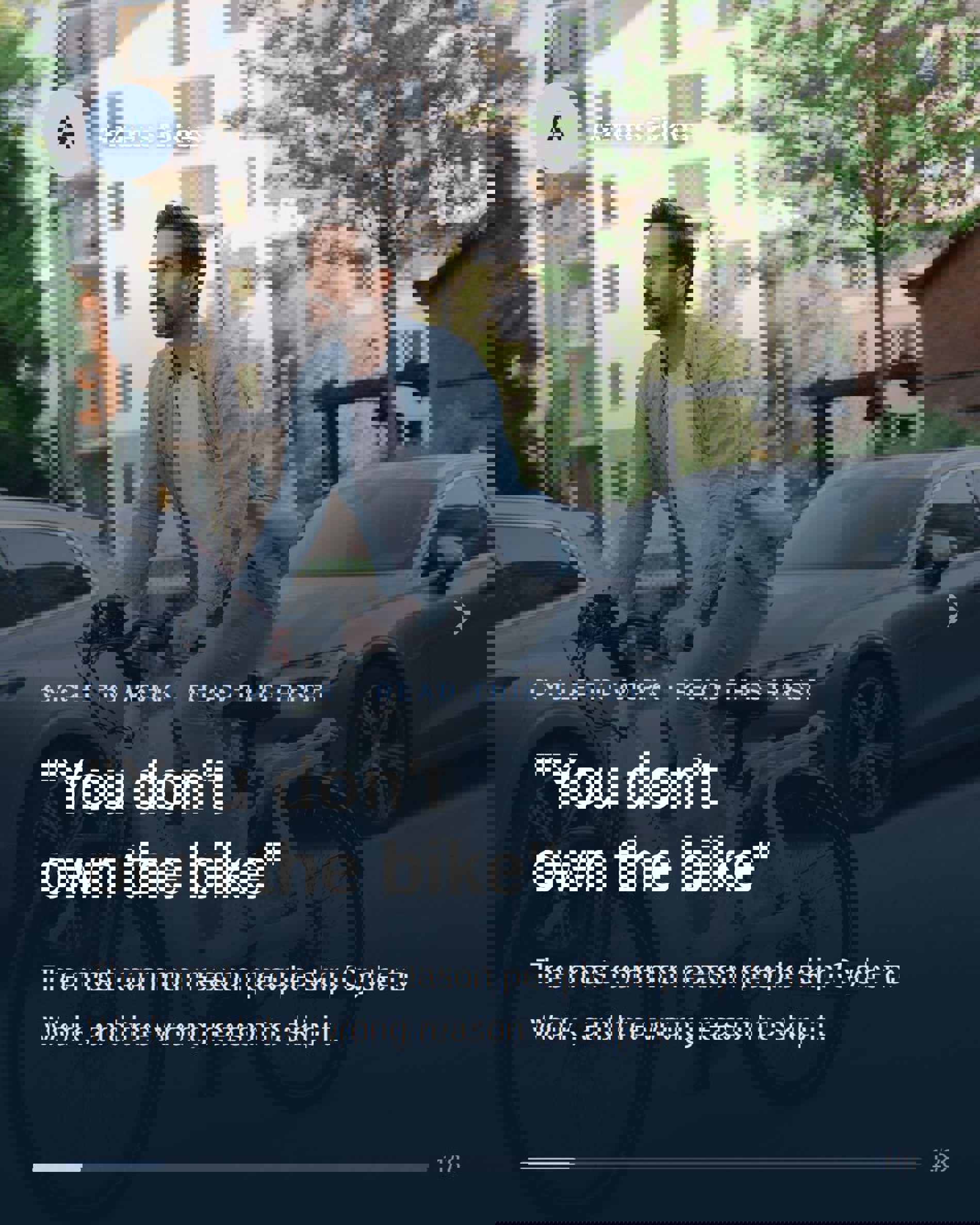
It's the most common reason people don't bother with Cycle to Work. "You don't actually own the bike." And if you've looked into the scheme at all, you'll know there's a grain of truth to it. So let's deal with that first, then work through the other doubts that tend to stop people applying.
At Aztecs Bikes, we've helped a lot of people use their vouchers wisely. We've also seen the confusion firsthand. So here are the straight answers.
❓ Why Don't You Own the Bike?
The Cycle to Work scheme is built on salary sacrifice. For the tax break to exist, the bike has to be classed as a hire, not a purchase. That's not a catch or small print. It's the mechanism that creates the saving.
Because the payments come out of your gross salary before tax, you don't pay income tax or National Insurance on that slice of your wages. If you owned the bike from day one it would count as a purchase, the tax structure collapses, and you save nothing.
The "you don't own it" part is what makes the scheme work. Not a gotcha.
🔄 So When Do You Actually Own It?
After the hire period (usually 12 months), you choose what to do next. The options vary by provider, but most people use one of these:
- Extended hire (recommended): Pay a small refundable deposit of 3% or 7% of the bike's original value. The bike stays with you, you make no further payments, and once the bike is 4 years old HMRC considers its value negligible. Ownership transfers automatically. You get your deposit back if you return it. Almost nobody returns it.
- Pay fair market value: Buy the bike outright at HMRC's depreciated value. For a bike over £500, that's typically 25% of the original price after 12 months. You own it immediately.
- Return it: Hand the bike back. This option exists but almost no one uses it.
In practice, the ownership question resolves itself. The scheme is designed for you to end up with the bike. The technicality is just a tax structure, not a real-world risk.
💷 The Other Doubts (Answered Honestly)
What if I leave my job?
This is the one real complication. If you leave before the hire period ends, the outstanding balance becomes due immediately, usually within two weeks. You lose the tax benefit on anything paid outside of payroll. If you're in a stable job for the next 12 months, it's not a concern. If you're planning to move on soon, think carefully.
Does the shop take a cut of my savings?
Some scheme providers charge the bike shop a commission of up to 10%. A few shops pass this on by marking up the price, which eats into your saving. At Aztecs Bikes we're transparent about this. Ask us when you come in and we'll tell you exactly what you're saving versus buying outright. The answer varies by scheme and by bike.
I mostly ride for leisure, not commuting. Does that matter?
The government guideline is that at least 50% of the bike's use should be for cycling to work. There's no enforcement mechanism. If you commute by bike even occasionally, you're meeting the spirit of the scheme.
What if the bike gets stolen?
You're responsible for the bike during the hire period. If it's stolen, your monthly payments continue regardless. Insure it. Check whether your home contents policy covers bikes away from home. If it doesn't, standalone bike insurance is inexpensive and worth it for a quality bike.
I'm self-employed. Can I use it?
No, not through the standard scheme. Cycle to Work runs through PAYE. Freelancers and sole traders aren't eligible. If you're self-employed and need a bike for work, speak to an accountant about claiming it as a business expense instead.
My salary is close to minimum wage. Does that affect it?
Yes. Salary sacrifice can't take your gross pay below the National Living Wage. If you're on or near minimum wage, you may only qualify for a lower-value package, or the scheme may not apply at all. Your employer's HR team can tell you.
📊 How Much Do You Actually Save?
The saving is the tax and National Insurance you don't pay on the bike's value. It adds up faster than most people expect:
| Tax Band | Typical Saving | On a £1,500 Bike |
|---|---|---|
| Basic rate (20%) | ~32% (20% tax + 12% NI) | ~£480 saved |
| Higher rate (40%) | ~42% (40% tax + 2% NI) | ~£630 saved |
The scheme makes most financial sense on a quality bike. A cheap bike gives you a smaller saving on something that may not last. A well-built bike gives you a significant saving on something that holds its value for years and costs very little to maintain.
🚲 So, Is It Worth It?
For most people in a stable job: yes, clearly. The ownership concern is a tax technicality that resolves on its own. The savings are real. The end result is a better bike than you'd likely have bought outright.
"The ownership question is the mechanism that creates the saving. By the time the scheme ends, the bike is yours, you've paid significantly less than retail, and the technicality has done its job."
At Aztecs Bikes, we work with most of the major scheme providers. We build every bike ourselves in our Bow workshop, so when you collect yours, it's properly set up for you. If you want to know whether your employer's scheme works with us, or you want honest advice on which bike makes the most of your allowance, just ask on WhatsApp before you apply.
Visit Us in Bow
Thinking about using your Cycle to Work voucher? Come and speak to us. We'll help you work out what you can genuinely afford and build you exactly the bike you want.
👉 Find Our Workshop Directions
👉 Chat with us on WhatsApp
Visit Aztecs Bikes in London today and ride home with confidence.